Cargo Hold Ventilation Project: Efficient and Healthy Storage Solutions
Good air quality protects both cargo and crew. Discover how a well-planned hold ventilation system controls humidity and temperature, saves energy and keeps products in top shape.
Air quality in storage areas is of great importance for preserving cargo and protecting the health of the people who work there. Designed with the right technology and planning, a hold ventilation project not only extends the life of stored products but also creates a safer working environment.
What Is Hold Ventilation?
Hold ventilation is the system that regulates airflow in storage areas and controls humidity, temperature and pollutants. These systems play a critical role wherever food, chemicals or industrial materials are stored.
Ventilation Methods
- Natural ventilation: air circulates through vents, openings and ventilation trunks.
- Mechanical ventilation: fans and air ducts create a controlled airflow.
- Temperature and humidity control: prevents product spoilage and saves energy.
Why a Hold Ventilation Project Matters
A properly designed ventilation system improves air quality, reduces energy costs and preserves the quality of the products in the storage area.
Advantages
- Product protection: prevents spoilage by avoiding fluctuations in humidity and temperature.
- Employee health: ensures a safe working environment with clean and sufficient airflow.
- Energy efficiency: modern systems optimize energy consumption.
From the Field
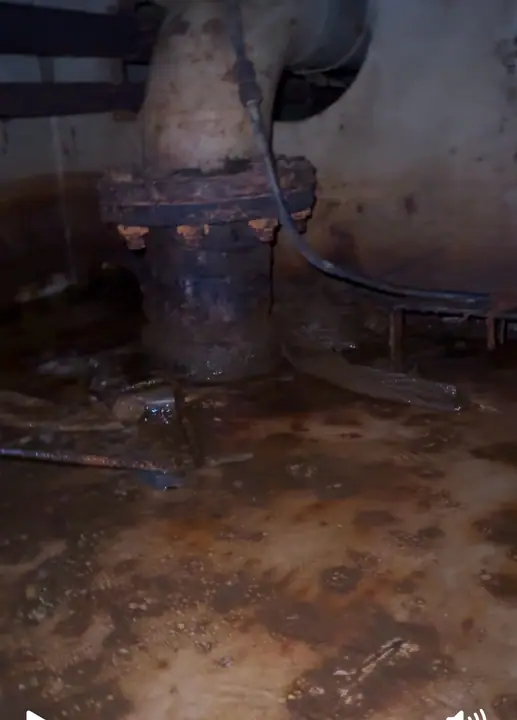
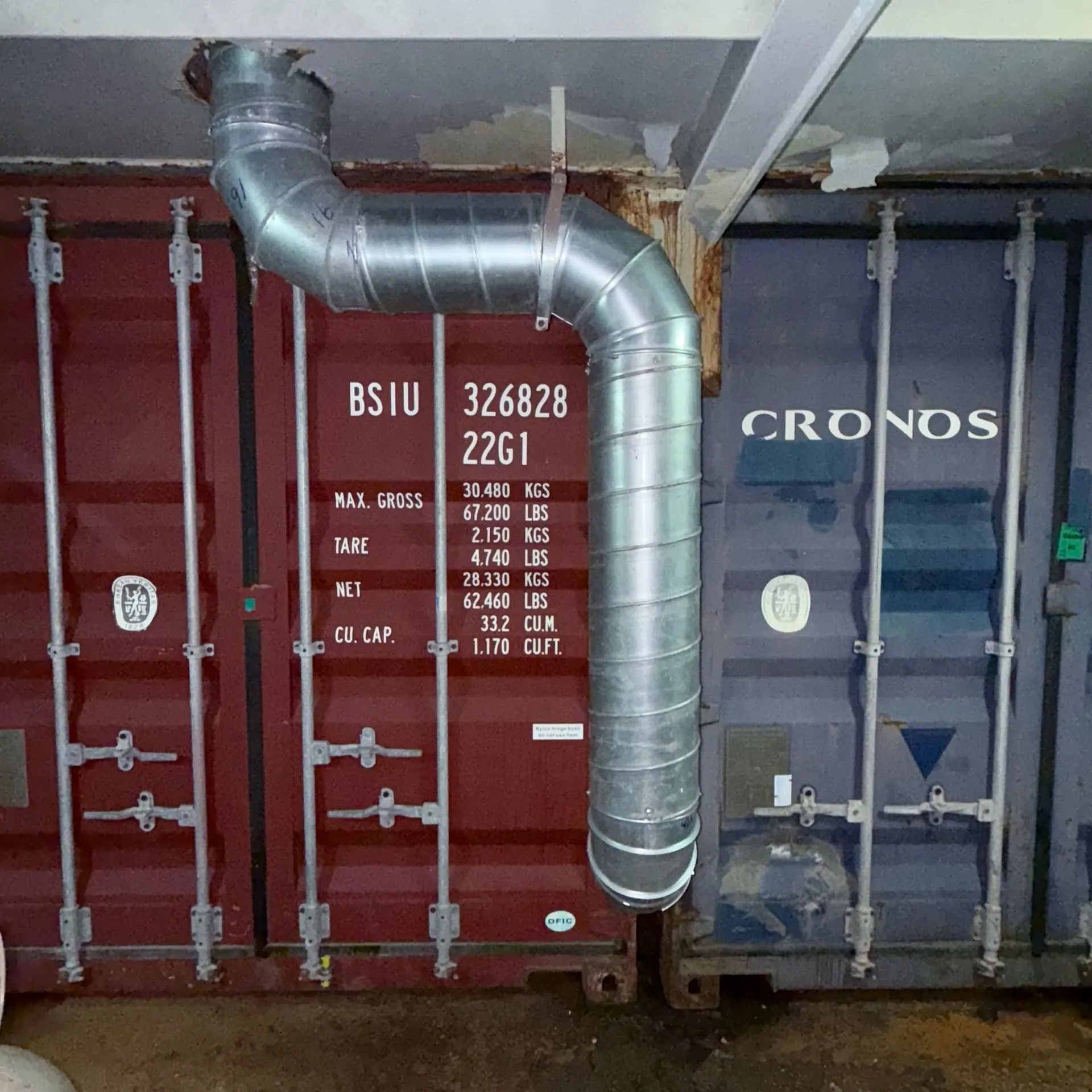
In this project, spiral galvanized ventilation ducts, duct casings and vent grilles were installed in the cargo hold of a container ship.
Project Photos
Frames from the field. Tap a photo to enlarge it.