Pipeline Inspection and System Replacement: Fast, Safe and Effective Solutions
Aging pipes, leaks and blockages erode system performance. Discover camera, acoustic and thermal pipeline inspection methods and the advantages of a timely system replacement.
Pipelines are critical in many areas, from industrial facilities to municipal infrastructure. Over time, aging pipes, leaks and blockages can reduce system performance. This is where pipeline inspection and system replacement come into play.
What Is Pipeline Inspection?
Pipeline inspection is an audit process that examines the condition of existing pipelines and detects faults. Advanced technologies are used to reveal the internal condition of the pipes, leak points and blockage risks.
Pipeline Inspection Methods
- Camera inspection: allows a detailed examination of the pipeline interior.
- Acoustic detection: identifies leaks and cracks.
- Thermal imaging: detects problems through temperature variations along the pipes.
Why System Replacement Matters
Old or damaged pipeline systems can cause water and energy losses as well as environmental issues. Renewing the system after a thorough inspection helps detect these problems early, improves pipeline efficiency and reduces maintenance costs.
Advantages of Pipeline System Replacement
- Long-lasting solution: new systems are more durable than the old ones.
- Energy and water savings: leaks are minimized.
- Fast and safe implementation: modern methods allow the replacement to be completed in a short time.
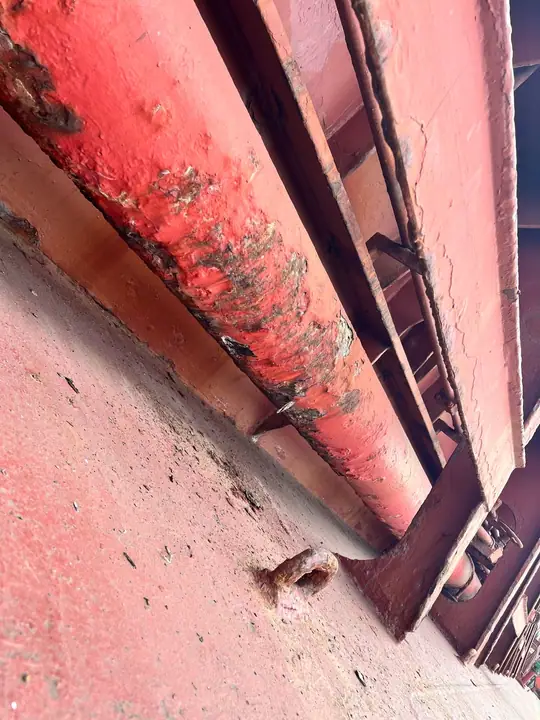
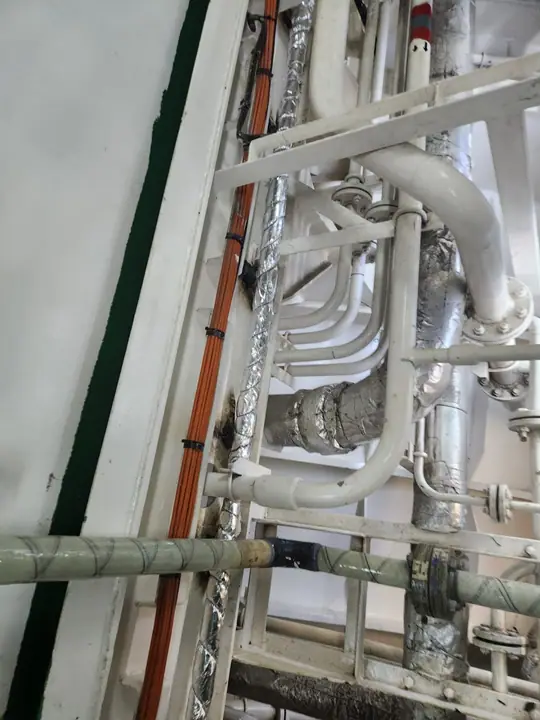
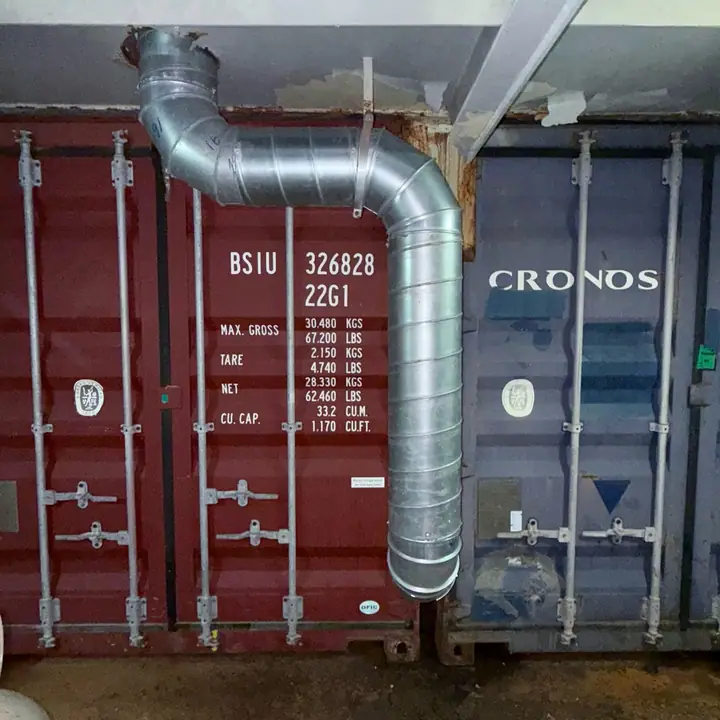
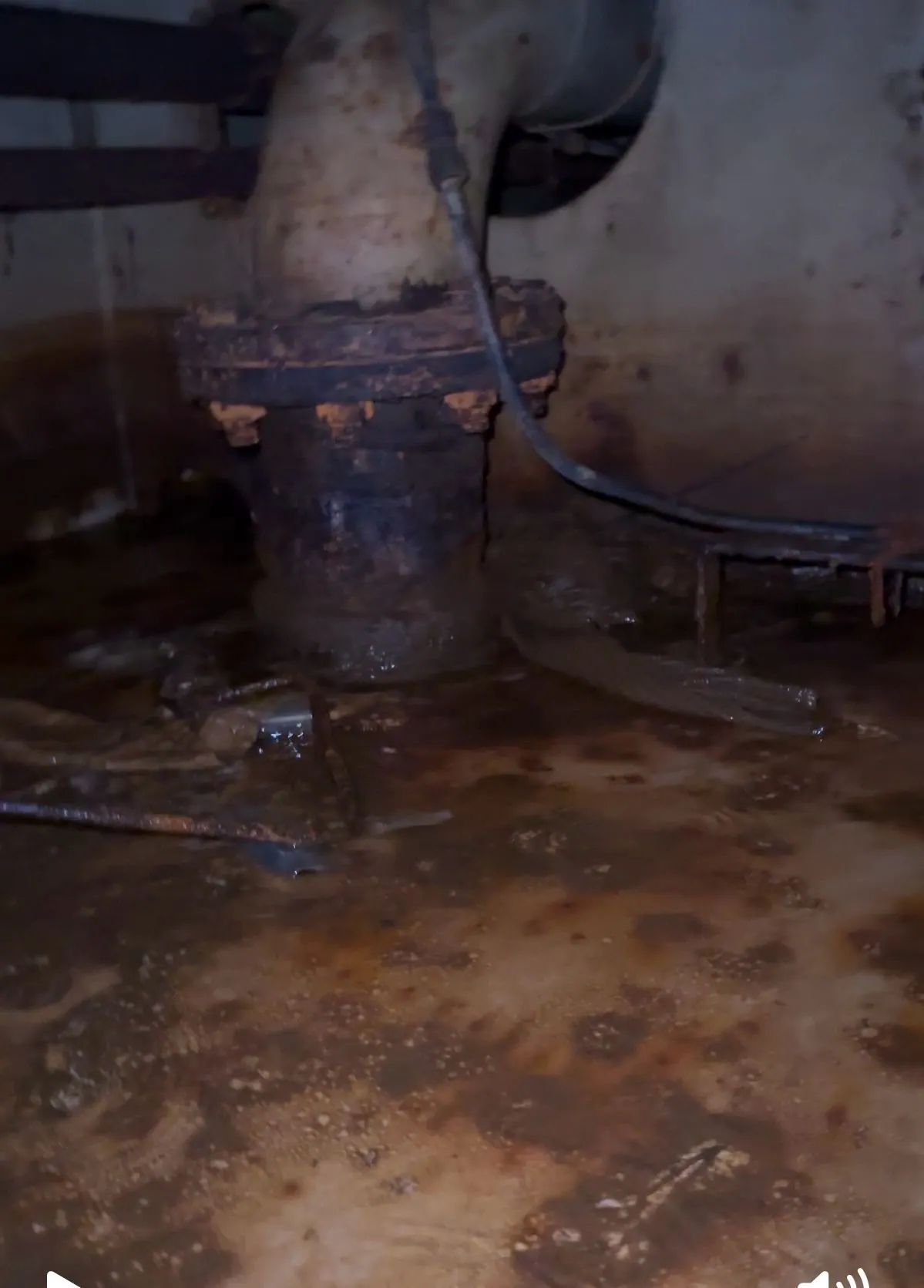
Project Photos
Frames from the field. Tap a photo to enlarge it.